Tennis tournaments aren’t all created equal. Some feel routine. Others feel monumental.
The difference isn’t just prize money or player rankings. It’s atmosphere. History. The weight of what’s at stake.
When certain tournaments roll around each year, the world pays attention. Stadiums fill. Ratings spike. Social media explodes with every upset and comeback.
If you’re wondering which professional annual tennis tournaments are actually worth your time, you’re in the right place.
World’s Best Professional Annual Tennis Tournaments to Watch
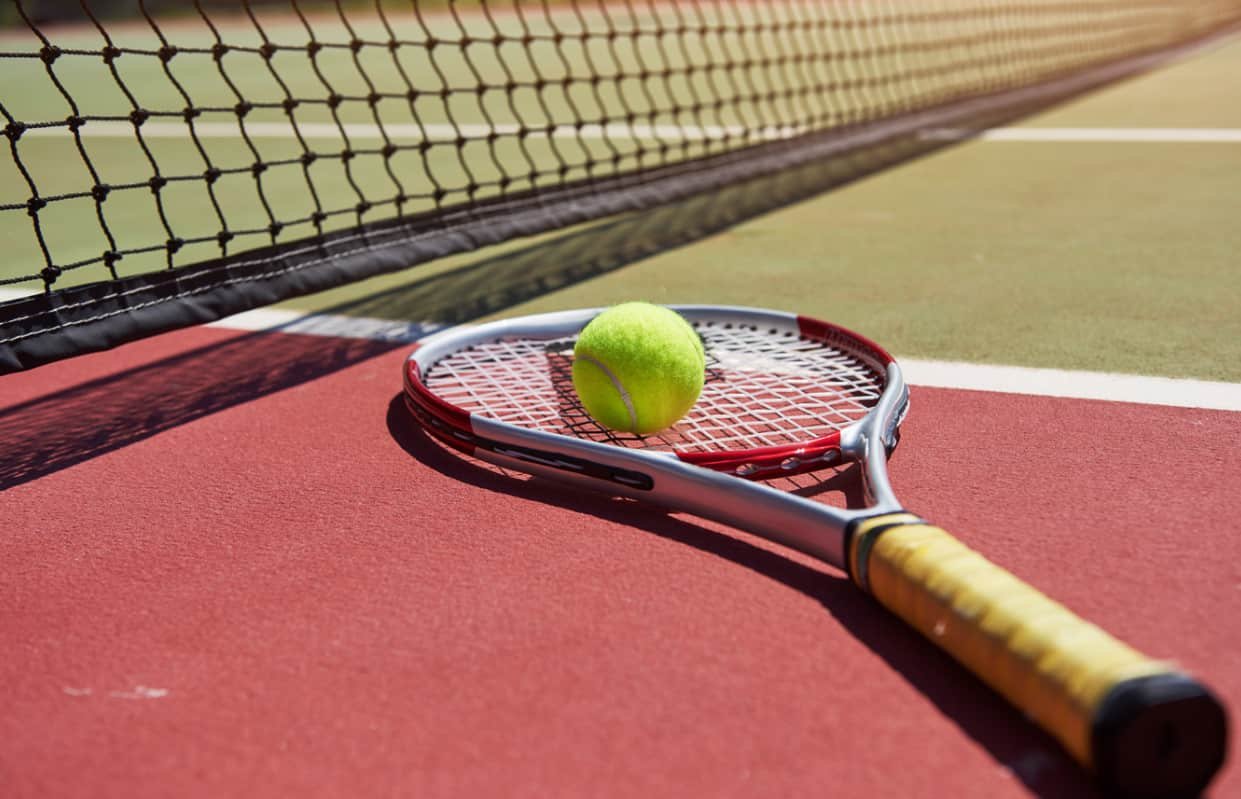
We’re breaking down the events that define the sport—the ones players dream about winning, and fans clear their schedules to watch.
The Grand Slam Tournaments: Tennis at Its Peak
When people think of elite tennis, they think of Grand Slams. Four tournaments. Four different surfaces. Four distinct personalities. Together, they form the backbone of professional tennis.
Wimbledon Championships
Wimbledon doesn’t feel like other tournaments. It feels sacred.
Grass courts that demand precision. All-white dress codes that harken back to 1877.
Strawberries and cream in the stands. A crowd that stays respectfully silent between points. This is tennis tradition at its purest.
The tournament runs for two weeks each summer in London, and winning here carries a special prestige.
Roger Federer’s eight titles. Serena Williams’ dominance. Novak Djokovic’s recent reign. These aren’t just victories—they’re career-defining moments.
The grass surface makes everything faster and lower. Players adjust their entire game. Big servers thrive. Long rallies become tactical battles.
One bad bounce can end a match. That unpredictability, combined with over a century of history, makes Wimbledon unmissable.
US Open
If Wimbledon is refined tradition, the US Open is organized chaos, and fans love it.
Night matches under the lights at Arthur Ashe Stadium create electric energy.
The New York crowd doesn’t stay quiet. They cheer, they groan, they get loud. Players either feed off it or crumble under it.
Hard courts mean fast play. Powerful serves dominate. The summer heat adds another layer of challenge.
The tournament runs late August through early September, marking the final Grand Slam of the year. Championship implications run high.
What sets the US Open apart is its accessibility and intensity. Anyone can make noise.
Celebrities sit courtside. The atmosphere feels less formal, more festival-like. But make no mistake—the tennis is world-class.
French Open (Roland Garros)
Clay is different. Completely different.
The French Open, held annually in Paris, tests endurance over power. Points stretch longer.
Players slide, grind, and outlast each other. Mistakes get punished. Patience gets rewarded.
Red clay slows the ball down. What would be a winner on grass becomes a long rally on clay.
Mental toughness matters as much as physical skill. Rafael Nadal’s 14 titles here prove what mastery looks like on this surface.
Roland Garros runs late May through early June. It’s the only Grand Slam on clay, which makes it unique.
Specialists thrive. Power players struggle. Every match becomes a war of attrition.
For purists who appreciate strategy and stamina, this tournament is essential viewing.
Australian Open
The season starts here.
Held in Melbourne each January, the Australian Open sets the tone for the entire tennis year.
Fresh rankings. New storylines. Players arrive rested but anxious to prove themselves.
Hard courts favor aggressive, attacking play. But there’s a catch: Australian summer heat. Temperatures regularly exceed 100°F (38°C).
Players battle the opponent and the elements. Heat rules force breaks. Matches get suspended. Endurance becomes critical.
The tournament’s timing makes it special. It’s the first major championship of the year. Whoever wins gains immediate momentum.
Confidence builds. Rankings shift. The Australian Open isn’t just about the trophy—it’s about starting strong.
The Year-End Championships: Where the Best Face the Best
ATP Finals
Imagine a tournament with no easy matches. That’s the ATP Finals.
Only the top eight men qualify based on their yearly performance. Round-robin format means every match matters. Lose twice, and you’re probably out. The margin for error disappears.
Held in November, usually in Turin, Italy, this tournament rewards consistency. Players arrive exhausted from a long season but can’t afford to relax.
Prize money is massive. Prestige is higher. Winning here caps off a successful year or salvages a disappointing one.
The tactical level is extraordinary. These aren’t scrappy underdogs—they’re the season’s absolute best. Every rally showcases elite tennis. Strategy, power, finesse, and mental toughness all collide.
WTA Finals
The women’s equivalent delivers equally high stakes.
The top eight female players battle for the year-end championship. Like the ATP Finals, the format is unforgiving. Confidence swings quickly. Ranking points are enormous. One match can define a season.
Recent venues have included Cancun, Riyadh, and Fort Worth, though locations vary. What doesn’t change is the intensity. These athletes have proven themselves all year. Now they face each other with everything on the line.
Upsets happen. Favorites stumble. New champions emerge. The WTA Finals showcase not just skill but resilience under extreme pressure.
The Masters 1000 Events: Just Below Grand Slam Level
The Masters 1000 series sits one tier below Grand Slams in prestige but matches them in quality. These tournaments attract all the top players and offer crucial ranking points.
Indian Wells Masters (BNP Paribas Open)
Often called the “fifth Grand Slam,” Indian Wells feels massive.
Held in the California desert each March, the tournament boasts one of the largest stadiums outside the majors. Perfect weather. World-class facilities. A relaxed but focused atmosphere.
The two-week format gives it Grand Slam pacing. Early rounds eliminate pretenders. Later rounds deliver blockbuster matchups. Clay season looms ahead, so players use Indian Wells to sharpen their hard-court games one last time.
The setting helps. Mountains in the background. Sunshine overhead. Premium conditions that players appreciate. Fans get close to the action. The tournament feels special because it is.
Miami Open
Two weeks after Indian Wells comes Miami—and the contrast is stark.
Where Indian Wells feels serene, Miami feels vibrant. Bright colors. Loud crowds. Latin music between changeovers. The tournament runs late March into early April, wrapping up the hard-court swing before players shift to clay.
Fast courts produce quick points. Big servers dominate. The energy never drops. Miami combines elite tennis with South Beach style, creating an atmosphere unlike any other tournament.
Players arrive either exhausted from Indian Wells or riding momentum. Fresh faces break through. Favorites defend their rankings. The tournament matters because it’s the last major hard-court event before the surface changes completely.
Monte-Carlo Masters
Monte Carlo offers something no other Masters event can: breathtaking beauty.
Perched on the Mediterranean coast, the tournament runs mid-April on outdoor clay courts. The views are stunning. The tennis is brutal.
This is the first major clay event of the spring season. Players test their games ahead of Roland Garros. Tactics get refined. Confidence gets built or broken. The clay surface makes every point a battle.
Rafael Nadal dominated here for years, winning 11 titles. That legacy adds weight. Winning Monte Carlo signals you’re a clay-court threat. Losing early raises doubts heading into the French Open.
Key Hard-Court Tournaments
Washington Tennis Tournament (Citi Open)
The Citi Open doesn’t carry Grand Slam prestige, but timing makes it vital.
Held in Washington, D.C., each summer, this ATP 500 and WTA 500 event serves as a crucial US Open warm-up.
Hard courts. Summer heat. Players fine-tune their games with the year’s final major looming.
Unexpected runs happen here. Rising stars announce themselves. Veterans regain form.
The tournament might not make headlines globally, but for players, it’s a critical preparation ground.
Fans get quality tennis at accessible prices. The atmosphere feels intimate compared to majors. But the level of play? Still excellent.
What Makes These Tournaments Special?
Not every tennis event becomes unmissable. So what separates the best professional annual tennis tournaments from the rest?
- History matters. Wimbledon’s 146-year legacy carries weight. Walking onto Centre Court means joining a lineage of champions. Players feel it. Fans feel it.
- Surface variety matters. Grass at Wimbledon. Clay at Roland Garros. Hard courts at the US Open and Australian Open. Different surfaces demand different skills. Specialists emerge. Versatile players prove their completeness.
- Timing matters. The Australian Open starts the year. The US Open ends the major season. The ATP and WTA Finals cap everything off. Each tournament sits at a critical moment.
- Atmosphere matters. Quiet respect at Wimbledon. Loud energy at the US Open. Scenic beauty at Monte Carlo. How a tournament feels shapes how fans experience it.
- Stakes matter. Grand Slam titles define careers. Masters 1000 events shape rankings. Year-end championships determine who finished on top. When everything’s on the line, the tennis elevates.
How the Tennis Calendar Flows?
Understanding the rhythm helps.
- January: Australian Open kicks off the season.
- March-April: Indian Wells and Miami dominate the hard-court swing before clay season.
- April-June: Clay specialists thrive at Monte Carlo and Roland Garros.
- June-July: Grass season peaks at Wimbledon.
- August-September: Hard courts return, building toward the US Open.
- November: ATP and WTA Finals crown the year’s best.
Each tournament feeds into the next. Momentum builds. Rivalries intensify. By the time you reach the year-end championships, months of competition have shaped the narrative.
FAQs
- Which tennis tournament is the most prestigious?
Wimbledon generally holds that title. Its history, traditions, and grass courts make it the sport’s crown jewel. However, all four Grand Slams carry immense prestige.
- What’s the difference between Grand Slams and Masters 1000 events?
Grand Slams are the four biggest tournaments (Australian Open, French Open, Wimbledon, and US Open) with the most ranking points and prize money. Masters 1000 events sit one tier below but still attract all top players.
- Why do players care so much about year-end championships?
Only the season’s top eight qualify, making it an elite field. It caps off the year and rewards consistency. Winning proves you weren’t just good once—you were excellent all season.
- When is the next major tennis tournament?
The 2026 Australian Open runs January 18 to February 1, 2026, at Melbourne Park. It’s the first Grand Slam of the year.
- Are clay-court tournaments slower to watch?
Points last longer on clay because the surface slows the ball down. Some fans find this more strategic and engaging. Others prefer the faster pace of hard courts or grass.
- Why don’t all top players compete in every tournament?
The schedule is grueling. Players manage their bodies and prioritize events that matter most. Grand Slams and Masters 1000s get full participation, but smaller tournaments might see withdrawals.
Conclusion:
Professional tennis wouldn’t captivate millions without these anchor events.
The best professional annual tennis tournaments offer more than just high-level play. They provide history, drama, and moments that define careers.
Wimbledon’s grass. Roland Garros’ clay. The US Open’s energy. The Australian Open’s heat. Each tournament brings something unique.
Fans return year after year because these events matter. They’re not random stops on a calendar; they’re the reason players compete. Miss them, and you miss the sport at its highest level.
So whether you’re a casual viewer or a dedicated fan, now you know which tournaments are worth circling on your calendar. The tennis world revolves around them for good reason.