The IPL returns for its 19th edition with a packed schedule that promises non-stop action.
Royal Challengers Bengaluru enter as defending champions after breaking their title drought in 2025.
The TATA IPL 2026 kicks off on March 28 and runs through May 31.
This year’s tournament window is shorter than usual. The T20 World Cup forced organizers to compress the calendar.
That means 49 matches in just over two months. Every game carries extra weight. Teams can’t afford slow starts or mid-season slumps.
The scheduling challenge is massive. Ten teams, six primary venues, and a playoff structure that demands precision timing.
BCCI has worked closely with state associations to ensure smooth transitions between matches.
IPL 2026 Schedule
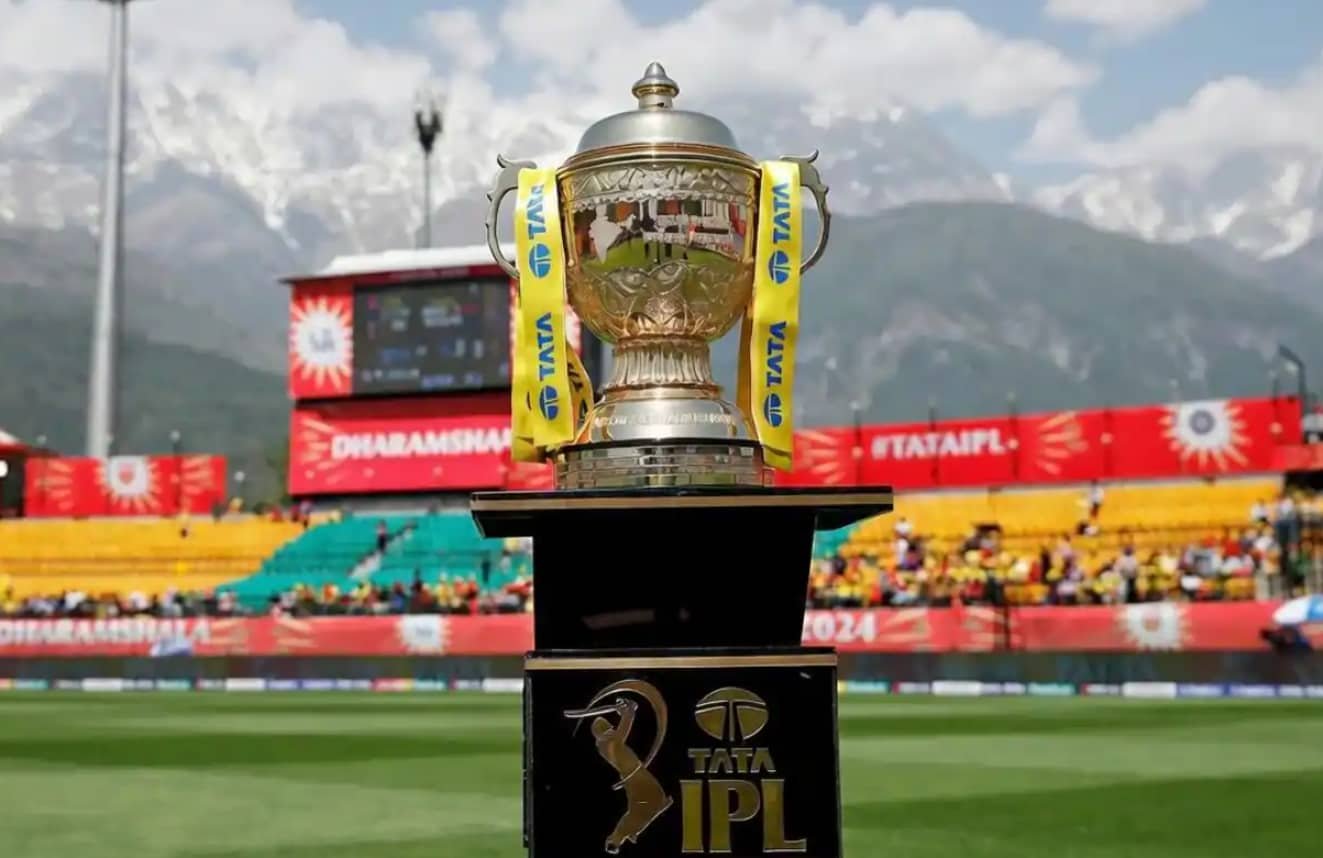
When Does IPL 2026 Start?
The opening match takes place on March 28, 2026, at M. Chinnaswamy Stadium in Bengaluru.
RCB will host the first game as defending champions. The league stage continues through late May before the playoffs begin.
Here’s how the knockout schedule looks:
| Match Type | Date | Stadium |
|---|---|---|
| Opening Game | March 28, 2026 | M. Chinnaswamy Stadium, Bengaluru |
| League Stage Ends | May 24, 2026 | Multiple Venues |
| Qualifier 1 | May 26, 2026 | M. Chinnaswamy Stadium, Bengaluru |
| Eliminator | May 27, 2026 | New PCA Stadium, Mullanpur |
| Qualifier 2 | May 29, 2026 | Narendra Modi Stadium, Ahmedabad |
| Final | May 31, 2026 | M. Chinnaswamy Stadium, Bengaluru |
The final returns to Bengaluru. KSCA upgraded safety protocols after last year’s celebration incidents.
Stadium capacity is capped at 35,000, with gates opening four hours early. Security checks are stricter but organized to prevent long queues.
IPL 2026 Fixtures: All 10 Teams and Their Captains
Ten franchises compete this season. Most teams kept their captains from 2025. A few changes happened during the mini auction that reshaped leadership dynamics.
| Franchise | Captain | Home Venue |
|---|---|---|
| Royal Challengers Bengaluru | Rajat Patidar | M. Chinnaswamy Stadium |
| Chennai Super Kings | Ruturaj Gaikwad | M.A. Chidambaram Stadium |
| Mumbai Indians | Hardik Pandya | Wankhede Stadium |
| Kolkata Knight Riders | Ajinkya Rahane | Eden Gardens |
| Gujarat Titans | Shubman Gill | Narendra Modi Stadium |
| Rajasthan Royals | Sanju Samson | Sawai Mansingh Stadium |
| Lucknow Super Giants | Rishabh Pant | Ekana Cricket Stadium |
| Delhi Capitals | Axar Patel | Arun Jaitley Stadium |
| Sunrisers Hyderabad | Pat Cummins | Rajiv Gandhi International Stadium |
| Punjab Kings | Shreyas Iyer | IS Bindra Stadium |
Rishabh Pant moving to LSG created the biggest buzz. His aggressive style suits their batting setup perfectly.
The left-hander brings fearless stroke play and innovative shot-making. LSG needed a game-changer at the top. They got one.
Ajinkya Rahane taking over KKR surprised many. He brings Test match composure to a format that rewards controlled aggression.
His calm demeanor helps settle young players during pressure moments. KKR’s think tank wants stability after years of chopping and changing captains.
Stadium Breakdown: Where Cricket Comes Alive?
The IPL 2026 fixtures span six major venues across India. Each stadium brings unique pitch conditions and crowd energy that can swing matches.
Narendra Modi Stadium, Ahmedabad
The world’s largest cricket stadium seats 132,000 fans. The massive boundary ropes test batters’ power-hitting ability. Pitches here start flat but slow down under lights. Spinners enjoy the second innings when the dew isn’t heavy. Gujarat Titans play their home games here and know every crack in the surface.
M. Chinnaswamy Stadium, Bengaluru
Batting paradise with short boundaries and lightning-fast outfield. The ball travels here. Totals above 200 are common. RCB’s fortress hosts seven matches this season, including the final. Recent upgrades improved drainage systems after rain disruptions in previous years. High altitude helps the ball carry further.
Wankhede Stadium, Mumbai
Sea breeze affects swing bowling during day matches. Evening games bring dew that makes gripping the ball tough for bowlers. The pitch stays true throughout matches. Batters love the bounce and carry. The Mumbai Indians have mastered chasing here. Their record at Wankhede is formidable.
M.A. Chidambaram Stadium, Chennai
Chepauk’s red soil wickets turn from day one. Spinners dominate here. The pitch slows down considerably by mid-April when the heat bakes the surface. Teams batting first struggle to set defendable totals. CSK’s spin attack thrives in these conditions. Visiting teams often field extra spinners when playing here.
Eden Gardens, Kolkata
The historic venue seats 68,000 passionate fans. Evening dew makes defending difficult. Captains prefer chasing here. The pitch offers good bounce early but deteriorates quickly under heavy usage. KKR’s familiarity with conditions gives them an edge. The crowd noise can rattle inexperienced players.
Arun Jaitley Stadium, Delhi
Formerly known as Feroz Shah Kotla. The wicket assists spinners as matches progress. Batting gets trickier in the second innings. Delhi’s dry climate creates dust that helps turn. Fast bowlers need to bowl fuller lengths here. Short balls sit up nicely for batters.
Team Squads: Who’s Playing in IPL 2026
Squad compositions reveal team strategies. Let’s break down key acquisitions and retained players across franchises.
Royal Challengers Bengaluru
RCB kept their core intact after winning the title. Rajat Patidar leads a batting lineup featuring power hitters and anchor players. Their bowling attack balances pace and spin. The mini auction added backup fast bowlers for injury cover. RCB learned from past mistakes when thin squads collapsed mid-tournament.
Chennai Super Kings
Ruturaj Gaikwad inherited leadership from MS Dhoni’s era. CSK retained experienced campaigners who understand pressure situations. Their squad depth in spin bowling is unmatched. Three quality spinners rotate based on opposition and conditions. The franchise values consistency over flashy names.
Mumbai Indians
Hardik Pandya commands a squad built for fast-paced cricket. MI invested heavily in young Indian pacers during the auction. Their overseas slots feature proven match-winners. The five-time champions know how to peak at the right time. Squad rotation keeps players fresh during the condensed schedule.
Gujarat Titans
Shubman Gill captains the 2022 champions. GT’s squad balances youth and experience intelligently. They added middle-order depth after last season’s collapse issues. The pace attack features variety with left-arm and right-arm options. Their scouting system consistently finds undervalued talent.
Lucknow Super Giants
Rishabh Pant’s arrival changed LSG’s entire approach. The squad now focuses on aggressive cricket from ball one. They added finishers who can clear boundaries in death overs. LSG’s pace battery includes express bowlers touching 145+ kph regularly. The franchise believes in backing players through rough patches.
IPL 2026 Time Table: Match Format Explained
Each team plays 14 league matches. That’s seven home games and seven away. Teams face five opponents twice and four opponents once. The schedule ensures fair distribution of day and night matches.
Double-headers happen on weekends. One match starts at 3:30 PM, the second at 7:30 PM. This format maximizes viewership across time zones. Broadcasters love it. Fans get six hours of continuous cricket.
The top four on the points table advance to the playoffs.
Here’s how the knockout works:
- Qualifier 1: First place vs second place. Winner goes straight to the final. This match carries an enormous psychological advantage. Teams finishing top two get two shots at reaching the final.
- Eliminator: Third place vs fourth place. The loser goes home. One bad day ends your season. The pressure here is intense. Teams often play conservative cricket, which backfires against aggressive opponents.
- Qualifier 2: Loser of Qualifier 1 vs winner of Eliminator. Winner reaches the final. This is often the most thrilling playoff match. Teams from Qualifier 1 have a short turnaround time. Fresh legs from the Eliminator can exploit tired opposition.
- Final: The two remaining teams battle for the trophy. Neutral venue adds complexity. Neither team enjoys a home advantage. Crowd support often splits based on player nationalities or underdog sentiment.
This format rewards consistency. Finishing in the top two gives you two chances to reach the final.
Teams in third or fourth must win every playoff game. One slip means elimination.
Mumbai Indians learned this the hard way in 2023. They finished fourth, won the Eliminator, then lost Qualifier 2 by three runs.
One bad over cost them a final appearance. Jasprit Bumrah’s injury in the 18th over changed everything. Their backup bowler conceded 24 runs in the final over.
Key Fixtures to Watch
Certain matches carry extra significance. Rivalries, revenge battles, and tactical masterclasses happen in these games.
- RCB vs CSK (Opening Week): The oldest IPL rivalry never disappoints. These teams bring contrasting styles. RCB’s aggressive batting meets CSK’s calculated approach. Chepauk and Chinnaswamy produce vastly different contests.
- MI vs GT (Mid-April): Battle of tactical minds. Hardik Pandya facing his former franchise creates subplot drama. Gujarat’s bowling attack tests Mumbai’s power-hitting lineup. Both teams peak during playoffs. Early encounters set psychological markers.
- LSG vs DC (Late April): Rishabh Pant facing the Delhi Capitals brings emotional intensity. Pant played for DC for years before the switch. Crowds get vocal during these fixtures. On-field banter reaches peak levels.
- KKR vs RR (Early May): Two explosive batting lineups collide. Eden Gardens under lights witnesses fireworks. Both teams rely on overseas players for breakthroughs. Whoever wins the powerplay usually wins the match.
Expert Insight: Why This Schedule Matters?
The compressed IPL 2026 schedule changes team strategies fundamentally. Squads need deeper benches.
Players can’t rely on long breaks between matches. Recovery time shrinks. Fitness becomes the differentiator.
Fast bowlers face the toughest challenge. Back-to-back games on slow pitches drain energy reserves.
Bowling four overs at maximum intensity requires a 48-hour recovery. Teams with quality backup pacers hold a significant advantage. Injury management separates contenders from pretenders.
Dew becomes a bigger factor in May. Evening matches see heavy moisture on the outfield. Spinners can’t grip the ball properly.
Fast bowlers struggle with wet run-ups. Captains winning the toss will bowl first more often. That makes batting lineups crucial. Teams need players who can chase 200-plus totals in dewy conditions.
RCB’s title defense hinges on their opening partnership. If they lose early wickets, middle-order pressure builds quickly.
Their strength is power-hitting from overs 1-6. Losing that advantage forces them into recovery mode. RCB doesn’t chase well when behind in the game.
CSK and MI have experienced squads that handle tight schedules better. Their rotation systems are already tested. Players know their roles.
Young cricketers joining these franchises learn professional habits quickly. The culture of winning creates its own momentum.
Punjab Kings face the biggest challenge. Shreyas Iyer inherits a squad that finished last in 2025. New leadership, similar players.
They need early wins to build confidence. PBKS historically start slow, then charge late. That approach won’t work with compressed fixtures. Every loss hurts qualification chances immediately.
How to Follow the Complete Match List?
The official IPL website releases the full fixture list in early March. You can download a PDF with all match times and venues.
BCCI also provides a digital calendar you can sync to your phone. Most email apps support calendar invites directly.
Broadcasters offer match reminders through their apps. JioCinema and Star Sports send notifications 30 minutes before each game starts.
You can customize alerts based on your favorite teams. The apps also show live scores during matches you can’t watch.
Fantasy cricket players should note the double-header dates. Some weekends feature back-to-back matches at different venues.
That affects team selection if your fantasy players compete on the same day. Smart managers check the schedule before locking lineups.
Ticket sales begin in mid-March. Each franchise controls its home match tickets. Prices vary by venue and seating section.
Playoff tickets sell out within hours. Finals tickets become collector items. Secondary markets charge premium rates.
Match Timings and Broadcast Details
Weekday matches start at 7:30 PM IST. Weekend double-headers begin at 3:30 PM and 7:30 PM.
This timing suits working professionals and students. Evening slots capture maximum television viewership.
Star Sports holds primary broadcast rights. JioCinema streams matches online for free.
International viewers access IPL through local broadcast partners.
Time zone differences mean some fans watch morning replays instead of live coverage.
Commentary teams include former cricketers and analysts.
Hindi, English, Tamil, Telugu, and Kannada commentary options cater to regional preferences.
Dugout commentary provides tactical analysis for cricket purists.
The main feed focuses on entertainment and accessibility.
Frequently Asked Questions
- When does IPL 2026 begin?
The tournament starts on March 28, 2026, with RCB hosting the opening match in Bengaluru. The first ball is scheduled for 7:30 PM IST.
- Who are the defending champions?
Royal Challengers Bengaluru won their first IPL title in 2025. They’ll defend it this season under Rajat Patidar’s captaincy.
- How many matches will each team play?
Each franchise plays 14 league matches before the playoffs. That’s seven home games and seven away. The total tournament features 74 matches, including playoffs.
- Where can I download the IPL 2026 fixtures PDF?
The BCCI releases the official PDF on IPLT20.com. It usually goes live in early March with complete match timings and venue details.
- Which stadium hosts the final?
M. Chinnaswamy Stadium in Bengaluru hosts the final on May 31, 2026. This marks the first time RCB’s home ground hosts an IPL final.
Final Thoughts
The IPL 2026 schedule sets up an intense two months of cricket. With fewer rest days between matches, squad depth matters more than ever.
Teams that manage workloads smartly will reach the playoffs. Franchises ignoring player fatigue will crash mid-tournament.
Bengaluru hosting both the opener and final adds extra pressure on RCB. Home advantage cuts both ways. The crowd expects results.
Players feel the weight of expectations. RCB’s management must balance pressure and performance carefully.
New captains like Rishabh Pant and Shreyas Iyer face immediate tests. Leadership in the IPL differs from international cricket.
Managing egos, rotating players, and reading match situations quickly separates good captains from great ones.
Both players have the talent. Their tactical growth will define their team’s success.
Mark your calendars for March 28. The tournament that stops a nation returns with higher stakes and tighter margins.
Every match counts when you’re racing against the clock. Playoff qualification could come down to net run rate.
Teams can’t afford dead rubbers or experimental lineups.
The IPL 2026 schedule promises drama, upsets, and memorable performances.
Whether you support defending champions or underdogs, this season delivers cricket at its most intense.
Get ready for 64 days of non-stop action.