Football has always rewarded its best players well. But the numbers being thrown around in 2026 belong in a different conversation entirely.
Cristiano Ronaldo earns more per week than most people make in a lifetime.
Lionel Messi’s MLS deal is quietly structured to rival anything in European football. Saudi Arabia writing cheques that Europe’s biggest clubs simply cannot match.
This isn’t just about who plays well — it’s about who generates revenue, sells shirts, fills stadiums, and moves product for global brands.
The highest paid footballers in the world earn their money at least twice over: once on the pitch, and again through sponsorships, image rights, and commercial deals.
Highest Paid Footballers in the World 2026
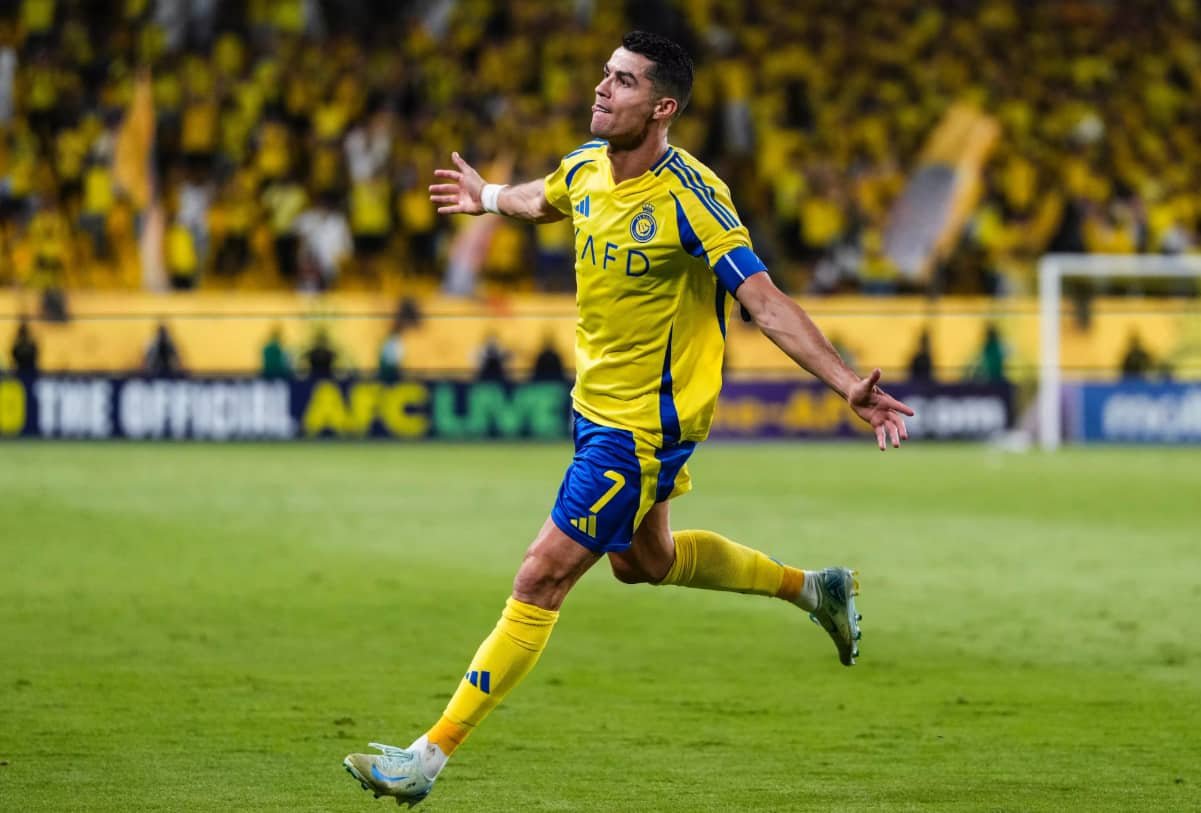
Below is a full breakdown of the top 10 highest paid footballers in the world in 2026 — with weekly wages, estimated monthly earnings, and projected annual income — so you can see exactly where the money goes.
Quick-Reference: Top 10 Highest Paid Footballers in the World 2026
| Rank | Player | Club | Weekly Wage | Est. Monthly Earnings | Est. Annual Salary |
|---|---|---|---|---|---|
| 1 | Cristiano Ronaldo | Al Nassr | £3,400,000 | £14,700,000 | £176,800,000 |
| 2 | Lionel Messi | Inter Miami | £2,500,000 | £10,800,000 | £130,000,000 |
| 3 | Neymar Jr. | Al Hilal | £2,000,000 | £8,600,000 | £104,000,000 |
| 4 | Karim Benzema | Al Ittihad | £1,600,000 | £6,900,000 | £83,200,000 |
| 5 | Kylian Mbappé | Real Madrid | £1,200,000 | £5,200,000 | £62,400,000 |
| 6 | Kevin De Bruyne | Al Qadsiah | £1,000,000 | £4,300,000 | £52,000,000 |
| 7 | Mohamed Salah | Liverpool | £950,000 | £4,100,000 | £49,400,000 |
| 8 | Erling Haaland | Manchester City | £875,000 | £3,800,000 | £45,500,000 |
| 9 | Robert Lewandowski | Barcelona | £800,000 | £3,500,000 | £41,600,000 |
| 10 | Sadio Mané | Al Nassr | £750,000 | £3,200,000 | £39,000,000 |
Note: Monthly and annual salary figures are calculated from base weekly wages only. Total annual earnings including sponsorships, image rights, and endorsements are significantly higher for most players and are detailed in each profile below.
Wages vs. Total Earnings: What’s the Difference?
Before getting into the individual profiles, one distinction matters.
Weekly wage is what a club pays directly.
Total annual earnings include everything else: boot deals, global brand sponsorships, image rights payments, appearance fees, and business income. For players like Ronaldo and Messi, sponsorship income alone dwarfs most footballers’ entire salaries.
The table below captures base wages. The profiles that follow show the full picture.
Top 10 Highest Paid Footballers in the World 2026 (Weekly, Monthly & Yearly)
1. Cristiano Ronaldo — £3,400,000 Per Week
| Metric | Figure |
|---|---|
| Club | Al Nassr (Saudi Arabia) |
| Weekly Wage | £3,400,000 |
| Est. Monthly Salary | £14,700,000 |
| Est. Annual Salary (Wages Only) | £176,800,000 |
| Est. Total Annual Earnings (inc. sponsorships) | ~£200,000,000+ |
Ronaldo’s Al Nassr deal, signed in January 2023, didn’t just make him the highest paid footballer in the world — it made every number that came before it look modest.
The contract reportedly includes a base salary, performance bonuses, and a commercial arrangement tied to Saudi tourism promotion, which explains why the total package pushes well beyond the base wage figure.
At 41, he still scores goals. More relevantly for the clubs and brands that pay him, he still moves product.
His Instagram alone — the most followed account on the platform — functions as a commercial asset in its own right.
Key sponsors: Nike, Herbalife, Binance, Clear, and his own CR7 brand (fragrance, clothing, hotels).
2. Lionel Messi — £2,500,000 Per Week
| Metric | Figure |
|---|---|
| Club | Inter Miami (MLS) |
| Weekly Wage | £2,500,000 |
| Est. Monthly Salary | £10,800,000 |
| Est. Annual Salary (Wages Only) | £130,000,000 |
| Est. Total Annual Earnings (inc. sponsorships) | ~£110,000,000–£130,000,000 |
Messi’s Inter Miami deal was structured differently from a standard footballer contract.
It included a revenue-sharing arrangement with Apple (MLS Season Pass) and Adidas, meaning his earnings are partly tied to subscription growth and merchandise sales rather than a fixed salary alone.
The net effect: a deal that arguably pays more over time, the more popular the MLS becomes.
His endorsement portfolio has been consistent for years — Adidas, Pepsi, Budweiser — and his 2022 World Cup win with Argentina gave every commercial deal a meaningful boost.
Key sponsors: Adidas, Pepsi, Budweiser, Hard Rock, and Saudi Tourism Authority.
3. Neymar Jr. — £2,000,000 Per Week
| Metric | Figure |
|---|---|
| Club | Al Hilal (Saudi Arabia) |
| Weekly Wage | £2,000,000 |
| Est. Monthly Salary | £8,600,000 |
| Est. Annual Salary (Wages Only) | £104,000,000 |
| Est. Total Annual Earnings (inc. sponsorships) | ~£95,000,000 |
Neymar’s Al Hilal contract was one of the most expensive signings in Saudi Pro League history when it was completed in 2023.
The problem since then has been fitness – a serious knee injury has limited his appearances significantly, raising questions about the value of the investment. His wages, however, have continued regardless.
Off the pitch, his appeal hasn’t diminished much. Brazilian athletes have some of the highest commercial ceilings in global sport, and Neymar’s social media reach keeps brand deals active even during long spells on the sidelines.
Key sponsors: Puma, Red Bull, PokerStars, Qatar Airways.
4. Karim Benzema — £1,600,000 Per Week
| Metric | Figure |
|---|---|
| Club | Al Ittihad (Saudi Arabia) |
| Weekly Wage | £1,600,000 |
| Est. Monthly Salary | £6,900,000 |
| Est. Annual Salary (Wages Only) | £83,200,000 |
| Est. Total Annual Earnings (inc. sponsorships) | ~£85,000,000 |
After 14 years at Real Madrid and a Ballon d’Or to his name, Benzema left for Saudi Arabia in 2023 and immediately became one of the highest paid footballers in the world.
His time at Al Ittihad has been mixed in terms of on-pitch consistency, but there’s no disputing what he brought to the league in terms of profile.
Commercially, he’s never been the most visible brand figure, but his partnerships with Adidas and EA Sports have been steady, long-term arrangements.
Key sponsors: Adidas, Hyundai, EA Sports.
5. Kylian Mbappé — £1,200,000 Per Week
| Metric | Figure |
|---|---|
| Club | Real Madrid |
| Weekly Wage | £1,200,000 |
| Est. Monthly Salary | £5,200,000 |
| Est. Annual Salary (Wages Only) | £62,400,000 |
| Est. Total Annual Earnings (inc. sponsorships) | ~£90,000,000 |
Mbappé is the only player in the top five still playing in one of Europe’s top leagues.
His move to Real Madrid, completed in the summer of 2024, was one of the most anticipated transfers in the sport’s history.
He earns less per week in wages than the three Saudi-based players above him, but his sponsorship income — led by Nike — makes up a significant portion of his total package.
At 26, he’s also the youngest on this list by some distance. His commercial ceiling hasn’t been reached yet, which is why brands continue to sign long-term deals rather than short-term campaigns.
Key sponsors: Nike, Hublot, EA Sports, Dior.
6. Kevin De Bruyne — £1,000,000 Per Week
| Metric | Figure |
|---|---|
| Club | Al Qadsiah (Saudi Arabia) |
| Weekly Wage | £1,000,000 |
| Est. Monthly Salary | £4,300,000 |
| Est. Annual Salary (Wages Only) | £52,000,000 |
| Est. Total Annual Earnings (inc. sponsorships) | ~£50,000,000 |
De Bruyne spent most of the last decade as the best midfielder in the Premier League.
His move to Saudi Arabia in 2025 follows a well-worn path for elite players in their early-to-mid 30s seeking one final high-value contract.
At Manchester City, he earned around £400,000 per week — the Saudi deal more than doubled that.
He has never been the most commercial footballer, but his technical reputation is strong enough to anchor brand partnerships in sports performance and recovery categories.
Key sponsors: Nike, Therabody, Wow Hydrate.
7. Mohamed Salah — £950,000 Per Week
| Metric | Figure |
|---|---|
| Club | Liverpool |
| Weekly Wage | £950,000 |
| Est. Monthly Salary | £4,100,000 |
| Est. Annual Salary (Wages Only) | £49,400,000 |
| Est. Total Annual Earnings (inc. sponsorships) | ~£70,000,000 |
Salah is the highest paid player in the Premier League and, depending on how you count it, one of the best value signings in English football’s recent history.
His contract extension at Liverpool secured wages that sit comfortably inside the global top 10 while keeping him at Anfield rather than following Ronaldo and Benzema east.
His commercial appeal is strongest across the Middle East and Africa, where he’s treated as a national figure in Egypt.
That reach makes him an unusually attractive brand partner for companies targeting those markets specifically.
Key sponsors: Adidas, Pepsi, Vodafone Egypt, BetVictor.
8. Erling Haaland — £875,000 Per Week
| Metric | Figure |
|---|---|
| Club | Manchester City |
| Weekly Wage | £875,000 |
| Est. Monthly Salary | £3,800,000 |
| Est. Annual Salary (Wages Only) | £45,500,000 |
| Est. Total Annual Earnings (inc. sponsorships) | ~£50,000,000 |
Haaland is 25, which makes his presence in the global top 10 by earnings more significant than it might initially appear.
He’s not here because of a lucrative final contract — he’s here because Manchester City paid top-tier wages to retain one of the most prolific goal scorers in the sport’s history.
His commercial profile is growing steadily.
The Norwegian market isn’t enormous, but Haaland’s on-pitch numbers — including a 36-goal Premier League season in 2022/23 — give global brands the kind of association they pay a premium for.
Key sponsors: Nike, Hyperice, Samsung Norway, Amer Sports.
9. Robert Lewandowski — £800,000 Per Week
| Metric | Figure |
|---|---|
| Club | Barcelona |
| Weekly Wage | £800,000 |
| Est. Monthly Salary | £3,500,000 |
| Est. Annual Salary (Wages Only) | £41,600,000 |
| Est. Total Annual Earnings (inc. sponsorships) | ~£45,000,000 |
Lewandowski has been one of the most consistent strikers in European football for over a decade.
His contract at Barcelona reflects that — and the fact that, at 36, he’s still contributing at a level that justifies top-10 wages.
His commercial profile is strongest in Central and Eastern Europe, where he’s by far the most recognisable footballer.
Long-standing deals with Huawei and Gatorade have provided stable income alongside his club salary for years.
Key sponsors: Nike, Gatorade, Huawei, Golden Boy Cosmetics.
10. Sadio Mané — £750,000 Per Week
| Metric | Figure |
|---|---|
| Club | Al Nassr (Saudi Arabia) |
| Weekly Wage | £750,000 |
| Est. Monthly Salary | £3,200,000 |
| Est. Annual Salary (Wages Only) | £39,000,000 |
| Est. Total Annual Earnings (inc. sponsorships) | ~£40,000,000 |
Mané’s move to Al Nassr put him in the same squad as Ronaldo and gave him a wage that Bayern Munich — where he earned around £200,000 per week — never came close to matching.
His presence has added an African dimension to the Saudi league’s profile, which matters to the league’s broader growth ambitions.
Off the pitch, Mané is widely known for donating to infrastructure projects in Senegal, which has generated genuine goodwill and brand appeal beyond what commercial sponsorships alone could produce.
Key sponsors: New Balance, Western Union.
Total Earnings Comparison: Wages vs. Sponsorships
The gap between wages and total earnings widens dramatically for the biggest names.
| Player | Annual Wages (Est.) | Total Annual Earnings (Est.) | Sponsorship/Other Income |
|---|---|---|---|
| Cristiano Ronaldo | £176,800,000 | £200,000,000+ | £23,200,000+ |
| Lionel Messi | £130,000,000 | £120,000,000 | (revenue-share model varies) |
| Neymar Jr. | £104,000,000 | £95,000,000 | £–9,000,000 (injuries reduced deals) |
| Karim Benzema | £83,200,000 | £85,000,000 | £1,800,000 |
| Kylian Mbappé | £62,400,000 | £90,000,000 | £27,600,000 |
| Mohamed Salah | £49,400,000 | £70,000,000 | £20,600,000 |
| Erling Haaland | £45,500,000 | £50,000,000 | £4,500,000 |
| Robert Lewandowski | £41,600,000 | £45,000,000 | £3,400,000 |
| Sadio Mané | £39,000,000 | £40,000,000 | £1,000,000 |
| Kevin De Bruyne | £52,000,000 | £50,000,000 | –£2,000,000 (lower sponsorship profile) |
Mbappé and Salah stand out here. Both earn considerably more from sponsorships relative to their wages compared to peers at similar pay grades — a sign of strong commercial brands that go beyond what their clubs alone provide.
Honourable Mentions: Players Just Outside the Top 10
Several players earn wages that would comfortably place them inside the top 10 in any previous era.
| Player | Club | Est. Weekly Wage |
|---|---|---|
| Antoine Griezmann | Atletico Madrid | £700,000 |
| Harry Kane | Bayern Munich | £650,000 |
| Vinícius Júnior | Real Madrid | £600,000 |
| Phil Foden | Manchester City | £600,000 |
| Jude Bellingham | Real Madrid | £600,000 |
Vinícius Júnior and Jude Bellingham are the two most likely to break into this top 10 over the next two to three years.
Both are young, both are attached to Real Madrid’s commercial machine, and both are in the early stages of building sponsorship profiles that could eventually rival Mbappé’s.
Why Saudi Arabia Dominates This List?
Six of the top 10 earners either currently play in Saudi Arabia or moved there at a point that defined their earnings tier.
The Saudi Pro League’s spending isn’t random.
It’s backed by the Public Investment Fund, which treats football wages as a tool for Vision 2030 – the country’s long-term project to diversify its economy away from oil and build soft power through sport and tourism.
For players, the appeal is simple: wages that European clubs, even the wealthiest ones, can’t match on a like-for-like basis.
Manchester City paying Haaland £875,000 per week is exceptional by Premier League standards.
In Saudi Arabia, that figure gets you into the conversation but doesn’t put you near the top.
The long-term question is whether the Saudi league can hold onto younger players, or whether it remains a destination for players in the final third of their elite careers.
Ronaldo, Benzema, Neymar, and Mané are all on the downside of their peaks.
That pattern suggests Saudi Arabia is still a retirement premium rather than a competitive alternative — but those lines are starting to blur.
FAQs
- Who is the highest paid footballer in the world in 2026?
Cristiano Ronaldo is the highest paid footballer in the world in 2026, earning an estimated £3.4 million per week at Al Nassr. His total annual earnings, including sponsorships and commercial deals, are estimated at over £200 million.
- Who is the highest paid footballer in the Premier League?
Mohamed Salah is the highest paid footballer in the Premier League, earning approximately £950,000 per week at Liverpool. Erling Haaland at Manchester City is close behind at around £875,000 per week.
- How much do the top footballers earn per month?
At the top end, Cristiano Ronaldo earns an estimated £14.7 million per month from his club wages alone. Lionel Messi earns around £10.8 million per month. Even further down the list, players like Haaland and Lewandowski earn between £3.5 million and £3.8 million monthly.
- Why do Saudi Pro League players earn so much?
Saudi clubs are backed by the Public Investment Fund, a sovereign wealth fund linked to the Saudi government. Wages are used partly as a commercial tool — signing globally recognisable players supports Saudi Arabia’s tourism and soft power goals under Vision 2030, which allows clubs to offer figures that go beyond normal commercial logic.
- Which young footballer earns the most in 2026?
Kylian Mbappé is both the youngest player in the top 10 and the one with the highest total annual earnings in that group — approximately £90 million including sponsorships. Jude Bellingham and Vinícius Júnior are the next most likely to break into the top 10 over the coming years.
- Does sponsorship income really make a big difference?
For players like Mbappé and Salah, sponsorship adds tens of millions annually on top of their wages. For players with lower commercial profiles, the difference is smaller. Ronaldo’s CR7 brand and Messi’s equity arrangements with Adidas and Apple mean their total earnings are structured very differently from a straight salary.
Conclusion:
The numbers here reflect something bigger than individual contracts.
The highest paid footballers in the world in 2026 sit at the intersection of sport, entertainment, and global brand economics.
Cristiano Ronaldo at £3.4 million per week is the extreme — a figure made possible by a league with specific geopolitical incentives rather than purely commercial ones.
Erling Haaland at £875,000 per week, by contrast, is what pure footballing value looks like when a top European club decides to retain its best player at any cost.
Somewhere between those two cases, the rest of the list sits. Saudi Arabia has permanently altered what elite wages look like.
The next cycle of contract renewals — Mbappé’s, Vinícius Júnior’s, Bellingham’s — will show whether European football adapts or cedes more ground.
Final Verdict:
Bookmark this page — player wages shift with every transfer window and contract renewal.
We update this list regularly to reflect the latest figures, so you’ll always have the most accurate earnings data for the highest paid footballers in the world.
More Related Soccer Guides:
- SAFF Championship Winners List From 1993 to 2023
- Highest Scoring Brazilians in Premier League History
- Highest Scoring Argentinians in Premier League History
- Best Wingers in the World
- Best Left Backs in Soccer History