Most people who search jipinfeiche are looking for one thing: a straight answer.
What is it? Where does it come from? Why does it keep showing up?
The answer is cleaner than the search results suggest.
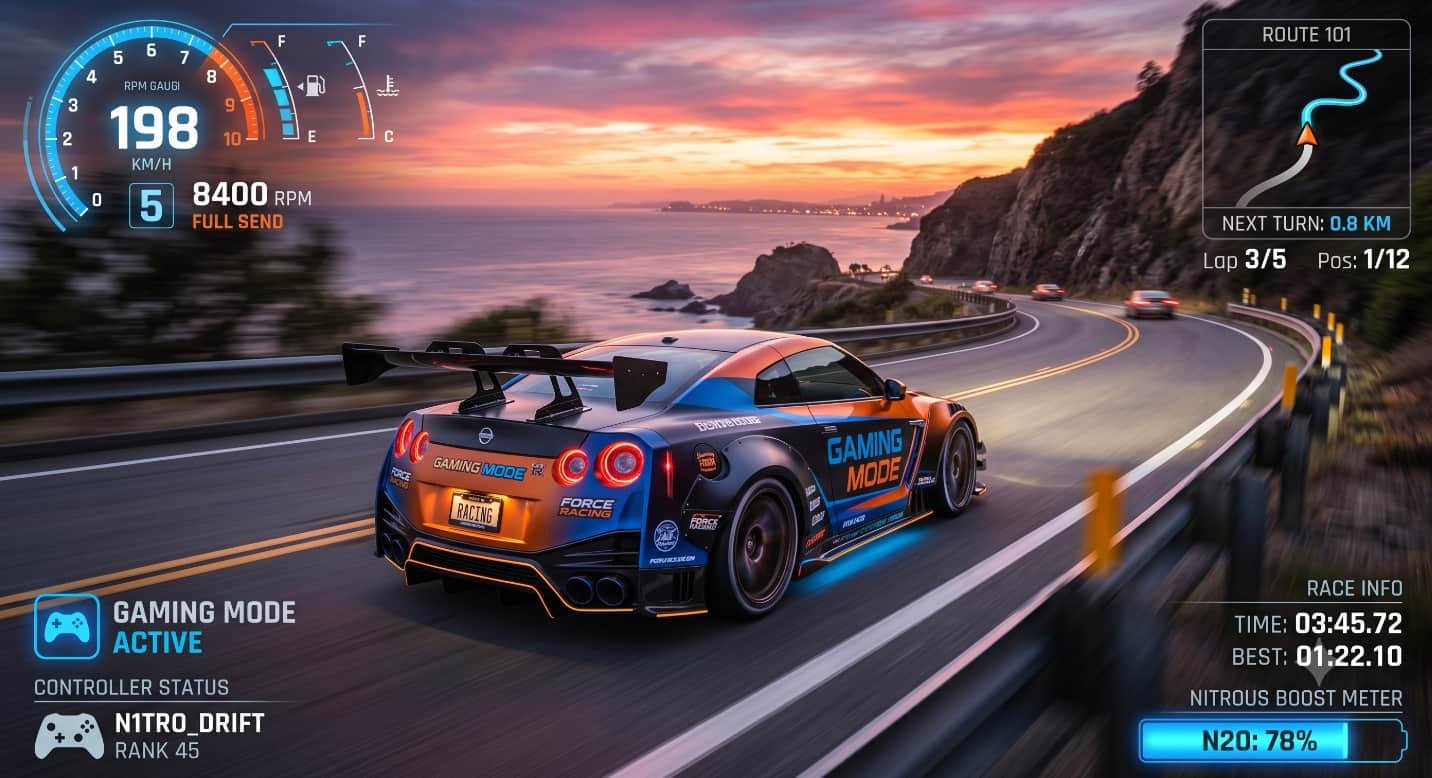
Jipinfeiche is the Chinese name for Need for Speed — the racing game franchise that has sold hundreds of millions of copies worldwide.
The word itself translates to something close to “elite speed car” or “premium racing vehicle.”
Jipinfeiche
That is the foundation. Everything else — why the term spread, why it gets misrepresented, and what it says about how gaming culture moves across borders — builds from there.
Breaking Down the Word Jipinfeiche
The term is a romanised version of a Mandarin phrase, written using pinyin — the system that converts Mandarin sounds into the Latin alphabet.
The phrase has two components.
The first translates to top-grade, elite, or premium. It is a word used in everyday Mandarin to describe something exceptional — the best of its category.
The second translates to a speeding car or a flying vehicle. It carries a sense of velocity and energy.
Combined, they form a phrase meaning something like “elite speed car” or “top-grade racing machine.”
Pinyin versions of Mandarin words drop tonal accent marks in informal digital writing.
That is why the term appears as a single compound word — jipinfeiche — rather than a hyphenated or accented form.
The Need for Speed Connection Explained
Need for Speed launched in 1994 under EA and grew into one of the defining franchises in racing game history.
When EA expanded the series into mainland China, the team did not simply transliterate the English title.
They translated the meaning of it, and jipinfeiche was the name they landed on.
It was the right call. Chinese players adopted it immediately.
The series was discussed, reviewed, and searched by its Chinese name. Gaming cafes ran it under this title.
Online communities formed around it. The English name was secondary — if it was used at all.
Over time, as Chinese players engaged with international gaming platforms, they brought the name with them.
Jipinfeiche followed them into English-language forums, YouTube comments, and social media threads.
That cross-border migration is why the term now appears in global search data.
Why Jipinfeiche Keeps Growing Online?
- China’s Gaming Footprint Is Large
China has one of the biggest gaming populations in the world.
As Chinese players have moved into international spaces — on YouTube, Reddit, Discord, and elsewhere — the language they use has travelled with them.
Jipinfeiche is one of many terms that made that journey.
- Racing Content Travels Fast
Short-form racing videos consistently rank among the most-watched categories on TikTok, YouTube Shorts, and Bilibili.
Creators in this space use Chinese gaming terms in titles and hashtags regularly. It signals authenticity to some audiences.
For others, an unfamiliar word in a title is reason enough to click.
Either way, jipinfeiche gets picked up.
- The Unfamiliar Word Effect
An unknown word is a natural search trigger.
People who see jipinfeiche in a caption or comment and do not recognise it will look it up.
That pattern drives consistent search volume even from audiences who have no direct connection to Chinese gaming culture.
Why Chinese Game Titles Are Translated, Not Transliterated?
The jipinfeiche name reflects a deliberate publishing strategy that is standard in China.
When international games enter the Chinese market, publishers translate the concept rather than approximate the sound.
The goal is a title that communicates the game’s identity clearly in Mandarin, without relying on familiarity with the English original.
World of Warcraft was given a name meaning “World of Magic Beasts.” League of Legends became “League of Heroes.”
Both tell you what the game is without requiring you to know the English title first.
Jipinfeiche does the same. Anyone reading it in a Chinese-language context immediately understands: this is a game about premium cars going fast. No translation needed.
Clearing Up What Jipinfeiche Is Not
There is enough misleading content online about this term to make a few points clear.
- It is not a car brand. No verified automotive manufacturer uses jipinfeiche as an official international name.
- It is not a blockchain project or cryptocurrency. Some speculative content has tried to attach this meaning to the term. None of it is sourced or credible.
- It is not a standalone app. No globally recognised product operates under the jipinfeiche name in English-speaking markets.
- It is not a single fixed concept. Some creators use the term loosely to reference high-performance car culture more broadly. That usage is grounded in the literal meaning of the word, even if it has drifted from the franchise connection.
If a website presents jipinfeiche as a technology company or digital platform without citing verifiable sources, treat it with scepticism.
How Pinyin Terms Cross Language Barriers?
Chinese users on international platforms routinely write in pinyin because Mandarin character input is often unavailable or impractical.
This has made pinyin versions of Chinese terms searchable and indexable in global systems.
Terms like Douyin, Wangzhe Rongyao, and Xiaohongshu are recognised internationally in pinyin form, even by people who cannot read Chinese characters.
Jipinfeiche works the same way. The romanised version is what makes it searchable on Google and readable on English-language platforms.
It is the form that travels, even as the original character version stays within Chinese-language spaces.
For anyone building content around Chinese-origin topics or gaming culture, this dynamic is worth understanding.
Pinyin keywords often carry more search volume than their visibility suggests.
Conclusion:
Jipinfeiche is the Chinese name for Need for Speed, translating to “elite speed car” or “premium racing vehicle.”
It spread internationally because China’s gaming community is large and active.
After all, pinyin keywords travel across global platforms, and because the word itself is distinct enough to make people look twice.
The answer was always that simple. The noise around it online has made it seem more complicated than it is.
Now you have the full picture — where the word comes from, what it means, and why it keeps showing up.
Also Check: