You’re watching India play Australia in a Test match. The batter taps the ball towards mid-on and takes off for a quick single.
The fielder swoops in, throws at the stumps, and the third umpire reviews the run-out. The replay zooms in on a white line near the stumps.
The commentator says, “his bat was just behind the popping crease.” But what is that line? And why does it matter so much?
If you’ve ever been confused by the white lines on a cricket pitch, this guide is for you. Those lines aren’t random.
They control everything from run-outs to no-balls. Understanding them makes watching cricket far more enjoyable.
Let’s break down how many creases are there in cricket, what each one does, and why they’re crucial in every format.
How Many Creases Are There in Cricket?
What Is a Crease in Cricket?
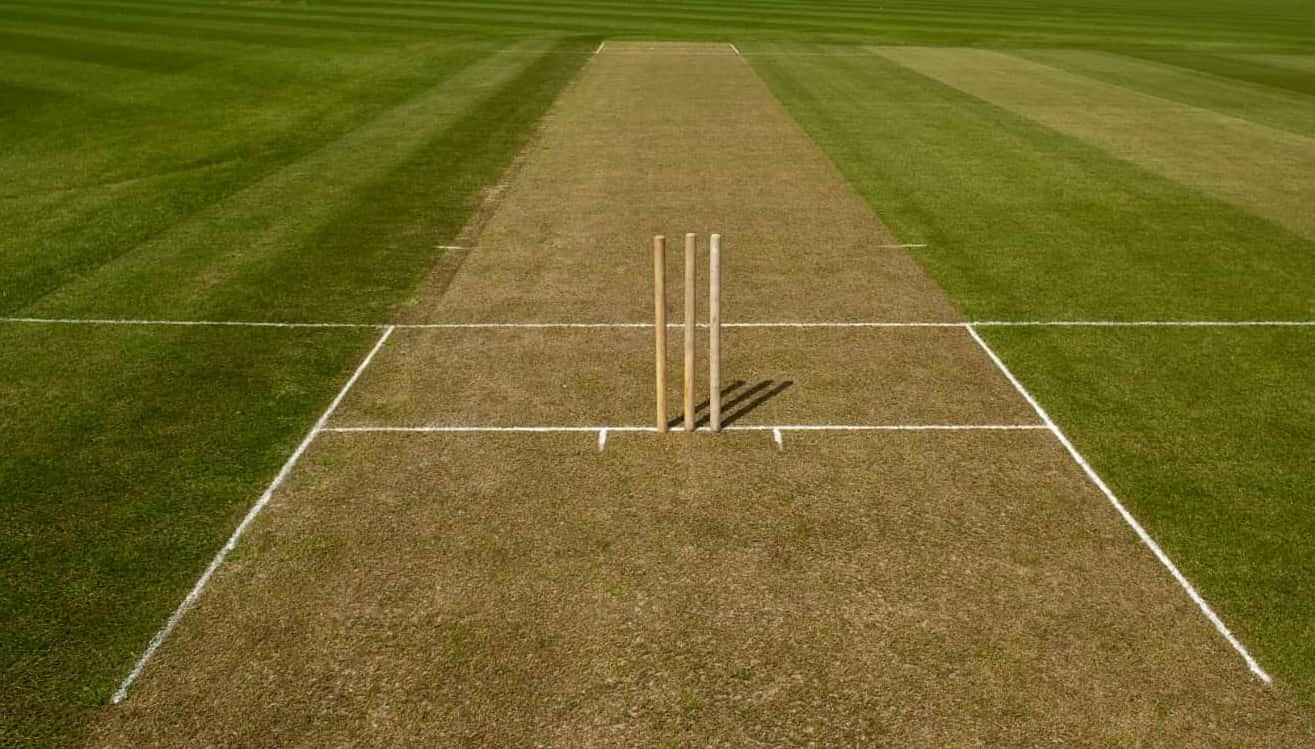
A crease is a white line marked on the cricket pitch. It acts as a boundary that controls player movement and helps umpires make decisions.
For batters, the crease marks the safe zone. Stay behind it, and you’re protected from run-outs. Step out without grounding your bat, and you’re vulnerable.
For bowlers, the crease defines where they can legally deliver the ball. Cross it with your front foot, and it’s a no-ball. Land your back foot outside the sidelines, and it’s also a no-ball.
Without these lines, cricket wouldn’t function. Umpires couldn’t judge dismissals. Bowlers could stand anywhere. The game would lose its structure.
Think of creases like the lines on a tennis court or a football pitch. They create clear rules that everyone must follow.
How Many Creases Exist on a Cricket Pitch?
There are eight creases on a standard cricket pitch.
This applies to all levels of cricket, from international Tests to domestic T20 leagues.
The number stays the same whether you’re watching England face New Zealand at Lord’s or a Ranji Trophy match in Mumbai.
Here’s how the eight creases break down:
- 2 Popping Creases (one at each end)
- 2 Bowling Creases (one at each end)
- 4 Return Creases (two at each end)
That’s three types of lines, repeated at both ends of the pitch. Each type serves a different purpose.
The popping crease protects batters. The bowling crease controls front-foot placement. The return creases manage back-foot positioning.
Together, they create a framework that governs the entire game. Whether it’s a World Cup final or a club match, these eight lines are always present.
The Three Types of Creases Explained
Now let’s look at each crease type individually. Understanding what they do makes watching cricket much easier.
Popping Crease
The popping crease is the most talked-about line on the pitch.
It sits 4 feet (1.22 meters) in front of the stumps and runs parallel to the bowling crease. This is the line batters must reach to be safe from run-outs and stumpings.
When you see a close run-out review, the third umpire checks whether the batter’s bat or body was grounded behind this line when the stumps were broken. Even a fraction of a second matters.
Bowlers also interact with this line. If a bowler’s front foot lands beyond the popping crease during delivery, it’s called a no-ball. The batting side gets an extra run. In limited-overs cricket, the next ball often becomes a free hit.
This line has decided countless matches. One famous example came during the 2019 World Cup when Jason Roy was given run out against Sri Lanka. The replays showed his bat was millimeters short of the popping crease. He had to walk back.
Bowling Crease
The bowling crease is the line where the stumps are planted.
It measures 8 feet 8 inches (2.64 meters) in length and runs horizontally across the pitch. This line forms the base for both sets of stumps.
For bowlers, the front edge of this line is critical. Their front foot must land behind or on this line during delivery. If it crosses, the umpire signals a no-ball.
Bowlers spend hours in training perfecting their front-foot placement. They want to get as close to the line as possible without overstepping.
More forward momentum can add pace and accuracy. But one inch too far, and the delivery doesn’t count.
During tense moments, especially in Test cricket, this line becomes the focus. A bowler takes a wicket, but replays show a marginal overstep. The wicket is cancelled. The momentum shifts.
Return Crease
The return crease gets less attention, but it’s just as important.
These are the vertical lines that run on either side of the stumps. There are two at each end (four total across the pitch). They run perpendicular to the bowling crease.
A bowler’s back foot must land inside these lines during delivery. If the back foot touches or crosses the return crease, it’s a no-ball.
This rule prevents bowlers from delivering the ball from extreme angles. Without it, they could bowl from positions that give them an unfair advantage.
Umpires watch this carefully during every ball. It’s easy to miss if you’re not paying attention. But in tight matches, even this detail matters.
Cricket Crease Measurements and Layout
Here’s a clear breakdown of the exact dimensions for each crease type:
| Crease Type | Measurement | Primary Function |
|---|---|---|
| Popping Crease | 4 feet from stumps | Safe zone for batters, no-ball line for bowlers |
| Bowling Crease | 8 feet 8 inches long | Base for stumps, front-foot delivery line |
| Return Crease | Extends perpendicular to the bowling crease | Back-foot boundary for bowlers |
These measurements are universal. Whether you’re watching international cricket or domestic leagues, the cricket crease length in feet remains identical.
The standardization ensures fairness. A no-ball in Sydney is judged the same way as a no-ball in Kolkata.
How Creases Are Used in Different Formats?
One common question is whether crease rules change across formats. The answer is no.
The rules for how many creases are in cricket stay the same in Tests, ODIs, and T20s. The measurements don’t change. The functions don’t change.
What changes is how players use them.
- In Test Cricket:
Batters stay closer to the crease. They play defensively. They wait for the ball to come to them. Taking risks outside the crease isn’t worth it when you’re trying to bat for two days.
- In ODI Cricket:
Batters sometimes step out to spinners. They want to disturb the bowler’s length. But they remain cautious. A run-out can change the match.
- In T20 Cricket:
Batters regularly charge down the pitch. They leave the crease early to hit sixes. It’s high-risk, high-reward. If the bowler pulls back and the keeper collects, it’s a stumping.
The format affects tactics, but the crease rules never change. Whether you’re watching the IPL or the Ashes, the lines work the same way.
What “At the Crease” Means in Cricket?
This phrase appears constantly in commentary and cricket writing.
When someone says a batter is “at the crease,” it means they’re currently batting.
They’re standing near the popping crease, facing the bowler.
But the phrase carries more meaning than just position.
A batter who has “settled at the crease” has found their rhythm. They’re reading the ball well.
They’re scoring comfortably. In Test cricket, this might mean batting for three hours without a false shot.
In T20 cricket, being settled at the crease means controlling the strike rate while staying aggressive.
You’re not taking unnecessary risks, but you’re also not letting the bowlers dominate.
The phrase captures both physical position and mental state. It’s about confidence, timing, and control.
How Creases Impact Match Outcomes?
Creases don’t just exist for decoration. They decide games.
For Batters:
- Staying behind the popping crease protects you during run-outs.
- When running between wickets, every millimeter counts.
- During stumpings, this line decides your fate.
For Bowlers:
- Your front foot must stay behind the popping crease.
- Your back foot must land inside the return crease.
- Violate either, and you give away runs.
For Umpires:
- Creases provide reference points for all dismissals.
- They help judge run-outs, stumpings, and legal deliveries.
- In tight calls, replays focus entirely on these lines.
One memorable example came during the 2011 World Cup semifinal between India and Pakistan. Sachin Tendulkar edged the ball early in his innings.
Pakistan appealed for caught behind. The decision went upstairs. But before that could be reviewed, replays showed the bowler had overstepped the popping crease.
It was a no-ball. Tendulkar survived. He went on to score a crucial fifty. India won the match.
That one inch changed history.
Expert Insight: Crease Awareness Separates Good From Great
Ricky Ponting once said that the best batters in the world have exceptional crease awareness.
He wasn’t talking about technique. He was talking about instinct.
Great batters know exactly where they are in relation to the popping crease. They don’t need to look down. They feel it.
When they step out to a spinner, they know how far they’ve moved. When they dive back during a run-out, their bat instinctively reaches behind the line.
The same applies to bowlers. The best fast bowlers land their front foot right on the edge of the crease.
They maximize their delivery stride without overstepping. This takes years of practice and muscle memory.
In high-pressure situations, players who lack crease awareness make mistakes. A bowler oversteps on a wicket-taking delivery.
A batter assumes they’re safe without grounding their bat properly. These small errors cost matches.
Crease discipline isn’t glamorous. But it wins games.
Common Questions About Cricket Creases
- Do Creases Differ Between Countries?
No. The International Cricket Council (ICC) sets the rules. Every cricket-playing nation follows the same standards. Whether you’re in India, England, Australia, or South Africa, the creases are identical.
The pitch conditions might change. The ball might swing more in England. It might spin more in India. But the crease measurements stay the same.
- Who Marks the Creases?
Groundsmen mark the creases before every match. They use white paint or chalk to create clear, visible lines.
Fresh markings are applied before each day of a Test match. In limited-overs cricket, they’re refreshed before each game.
Clear creases help umpires make accurate decisions. Faded lines can confuse tight calls.
- Can Players Erase the Creases?
No. Players aren’t allowed to deliberately damage or erase the creases. Doing so can result in penalties.
However, during long innings, the lines naturally fade from foot traffic. That’s why groundsmen touch them up regularly.
FAQs
- How many creases are on a cricket pitch?
There are eight creases: two popping creases, two bowling creases, and four return creases.
- What happens if a bowler oversteps the popping crease?
It’s called a no-ball. The batting side gets one extra run, and in limited-overs matches, the next ball is often a free hit.
- Do crease rules change in T20 cricket?
No. The crease rules are identical across all formats: Tests, ODIs, and T20s.
- Can a batter be out if their bat is on the line?
Yes. The bat must be grounded behind the line. Being on the line counts as being out.
- Are creases the same size worldwide?
Yes. The ICC mandates standard measurements for all international and domestic cricket.
Wrapping Up
Understanding how many creases are there in cricket transforms how you watch the game.
These eight lines govern movement, fairness, and decision-making on the field.
The next time you watch a match, pay attention to the creases. Notice how batters slide their bats in during tight singles.
Watch how bowlers land their feet during delivery. These small details matter more than you think.
Cricket isn’t just about big shots and fast bowling. It’s also about precision.
And the creases? They’re at the heart of that precision.
Also Check:
- Maharashtra Champions Trophy 2026
- MS Dhoni Centuries List
- Which Cricketer Scored the First ODI Double Century
- Captains with Most ICC Titles